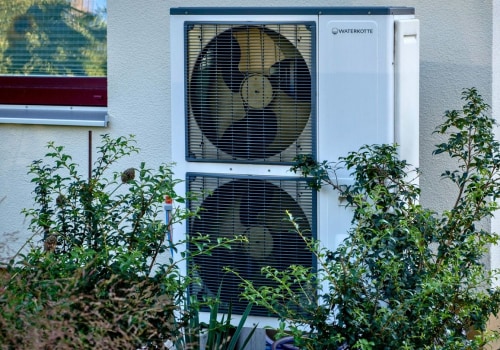
Heat pumps are an integral component of modern HVAC (Heating, Ventilation, and Air Conditioning) systems, serving as a versatile solution for both heating and cooling needs. Unlike traditional heating systems that generate heat, heat pumps transfer heat from one place to another, making them highly efficient. This unique functionality allows them to extract heat from the outside air, ground, or water and move it indoors during colder months, while reversing the process in warmer months to provide cooling. Understanding how heat pumps operate is essential for homeowners considering an air conditioner replacement or looking to enhance their energy efficiency.At their core, heat pumps utilize a refrigeration cycle similar to that of air conditioners.
They consist of four main components: the evaporator, compressor, condenser, and expansion valve. During the heating process, the evaporator absorbs heat from the outside environment, even in low temperatures. The compressor then increases the pressure and temperature of this refrigerant gas before it moves to the condenser, where it releases heat into the indoor space. The expansion valve regulates the flow of refrigerant back to the evaporator, completing the cycle.
This efficient transfer of heat not only reduces energy consumption but also lowers utility bills.The benefits of heat pumps extend beyond their operational efficiency. They are known for their environmental friendliness, as they produce fewer greenhouse gas emissions compared to conventional heating systems that rely on fossil fuels. Additionally, many models are equipped with advanced features such as smart thermostats and variable-speed compressors that further enhance their performance and adaptability to changing weather conditions. As energy costs continue to rise and environmental concerns become more pressing, understanding the role of heat pumps in HVAC systems is crucial for making informed decisions about home comfort solutions.
Current Trends in Heat Pump Prices
As we delve into the current trends in heat pump prices , it’s essential to recognize the dynamic nature of the HVAC market.In recent months, we have observed notable fluctuations in prices, influenced by a variety of factors that are shaping the landscape for consumers and industry professionals alike.One of the most significant trends is the gradual increase in heat pump prices, which can be attributed to several key elements:
- Inflationary Pressures: Like many sectors, the HVAC industry is not immune to inflation. Rising costs of raw materials, labor, and transportation have contributed to higher prices for heat pumps. Manufacturers are facing increased expenses, which are often passed on to consumers.
- Supply Chain Disruptions: The ongoing effects of global supply chain issues have also played a crucial role. Delays in manufacturing and shipping have led to shortages of certain models, driving up demand and consequently prices.
This situation has been exacerbated by geopolitical tensions and the lingering impacts of the COVID-19 pandemic.
- Technological Advancements: While some technologies can lead to higher initial costs, they often result in long-term savings through improved energy efficiency. Newer models equipped with advanced features such as smart thermostats and variable-speed compressors may come at a premium but offer better performance and lower operating costs.
- Increased Demand for Energy Efficiency: As homeowners become more environmentally conscious, there is a growing demand for energy-efficient heating solutions. This trend has led to a surge in interest in heat pumps, particularly those that qualify for energy efficiency incentives. However, this increased demand can also lead to higher prices during peak installation seasons.
Understanding how factors like inflation, supply chain issues, and technological advancements impact heat pump prices will empower homeowners to make educated decisions regarding their heating and cooling needs. Additionally, being aware of seasonal demand fluctuations can help consumers time their purchases more strategically.In summary, the current market for heat pumps is characterized by rising prices driven by various economic factors. By keeping an eye on these trends and understanding their implications, consumers can better navigate the complexities of purchasing a heat pump in 2023.
Installation and Repair Costs: What to Expect
When considering the installation of a heat pump, understanding the associated costs is crucial for homeowners. The installation costs can vary significantly based on several factors, and being informed can help you budget effectively.Factors Influencing Installation Costs
- Type of Heat Pump: The cost can differ based on whether you choose an air-source, ground-source (geothermal), or water-source heat pump.
Generally, geothermal systems tend to be more expensive due to the extensive installation requirements.
- Size of the System: The size of the heat pump needed for your home will directly impact the price. A larger system capable of heating or cooling a bigger space will naturally cost more than a smaller unit.
- Complexity of Installation: If your home requires extensive ductwork modifications or if the installation site poses challenges (like limited access), expect higher labor costs.
- Location: Installation costs can vary by region due to differences in labor rates and local regulations. Urban areas may have higher costs compared to rural locations.
- Additional Features: Features such as smart thermostats or advanced zoning systems can add to the overall cost but may provide long-term savings through increased efficiency.
Repair Costs for Heat Pumps
Just like any other HVAC system, heat pumps require maintenance and occasional repairs. Understanding potential repair costs is essential for homeowners to prepare for unexpected expenses.
- Common Repairs: Issues such as refrigerant leaks, faulty thermostats, or compressor failures are common and can range from minor fixes to major repairs.
The average repair cost can vary from $150 to $1,500 depending on the issue.
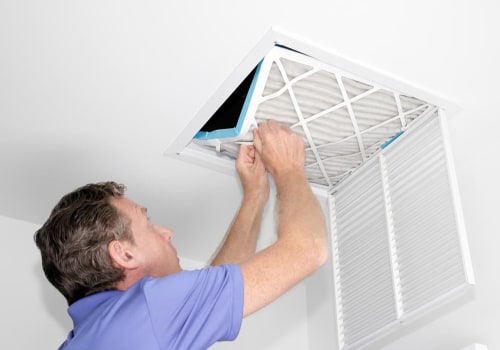
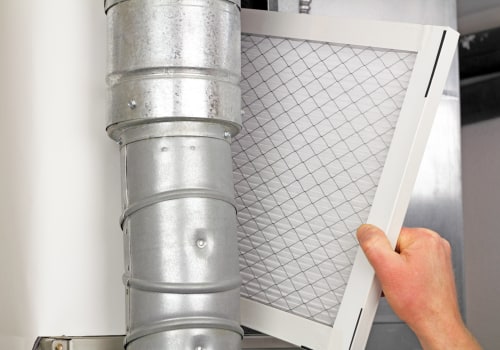
- Regular Maintenance: To avoid costly repairs, regular maintenance is recommended. This includes cleaning filters, checking refrigerant levels, and inspecting electrical components. Maintenance services typically range from $100 to $300 annually.
- Age of the System: Older systems may require more frequent repairs, which can add up over time. If your heat pump is nearing the end of its lifespan, consider budgeting for potential replacements rather than ongoing repairs.
By evaluating these factors carefully, homeowners can make informed decisions that align with their budget and long-term energy efficiency goals.
The Impact of Government Incentives and Tax Credits
As homeowners consider the installation of heat pumps, understanding the government incentives and tax creditstax credits available can significantly influence their decision-making process. These financial benefits not only help reduce the initial investment but also promote energy efficiency, making them an essential aspect of the overall cost analysis.In recent years, various federal and state programs have emerged to encourage the adoption of energy-efficient heating and cooling systems. These initiatives are designed to lower energy consumption and reduce greenhouse gas emissions, aligning with broader environmental goals.Federal Tax Credits
The federal government offers tax credits for homeowners who install qualifying heat pumps. For instance, the Residential Energy Efficiency Tax Credit allows homeowners to claim a percentage of the installation costs on their federal tax returns.This credit can cover a significant portion of the expenses associated with purchasing and installing a heat pump, making it a valuable incentive.
State and Local Incentives
In addition to federal tax credits, many states provide their own incentives. These can include:- Rebates: Direct cash rebates for installing energy-efficient systems.
- Low-Interest Loans: Financing options that allow homeowners to pay for their heat pumps over time at reduced interest rates.
- Utility Company Programs: Many utility companies offer incentives for customers who upgrade to energy-efficient systems, which can include rebates or discounts on future energy bills.
Energy Efficiency Rebates
Energy efficiency rebates are another critical component of the financial landscape for heat pump installations. These rebates are often provided by local governments or utility companies as part of their efforts to encourage energy conservation.Homeowners can receive rebates based on the efficiency rating of their new heat pump, which means that opting for a higher-rated system could yield greater financial rewards.In conclusion, understanding the various government incentives, tax credits, and energy efficiency rebates available can significantly impact the overall cost of installing a heat pump. By taking advantage of these financial benefits, consumers not only save money but also contribute to a more sustainable future.
Technological Advancements and Their Influence on Prices
As the HVAC industry continues to evolve, technological advancements play a pivotal role in shaping the future of heat pump prices. Innovations in design, efficiency, and functionality are not only enhancing the performance of heat pumps but also influencing their market costs.One of the most significant trends is the integration of smart technology into HVAC systems. Smart thermostats and IoT (Internet of Things) devices allow homeowners to monitor and control their heating and cooling systems remotely.This capability leads to improved energy efficiency, as users can adjust settings based on real-time data and personal preferences. Consequently, systems equipped with smart technology often have lower operational costs, which can translate into more competitive pricing for consumers.Moreover, advancements in variable-speed technology are revolutionizing heat pump performance. Traditional systems typically operate at a single speed, leading to energy waste during partial load conditions. In contrast, variable-speed heat pumps can adjust their output to match the specific heating or cooling needs of a space.
This not only enhances comfort but also reduces energy consumption, potentially lowering long-term costs for homeowners.Another area of innovation is the development of inverter-driven compressors. These compressors allow heat pumps to operate more efficiently by adjusting their speed based on demand. As a result, they can maintain consistent temperatures without the frequent on-and-off cycling that characterizes conventional systems. This efficiency can lead to significant savings on energy bills and may influence manufacturers to offer more competitively priced models.The emergence of renewable energy technologies , such as solar-assisted heat pumps, is also noteworthy.
By harnessing solar energy, these systems can reduce reliance on traditional power sources, further driving down operational costs. As these technologies become more mainstream, we may see a shift in pricing structures that favor eco-friendly options.In summary, the future of HVAC technology is bright, with innovations that promise not only enhanced efficiency but also potential cost reductions for consumers. As these advancements continue to unfold, they will likely reshape the landscape of heat pump pricing in 2023 and beyond.
Supply Chain Dynamics: The Effect on Heat Pump Availability and Pricing
The availability and pricing of heat pumps are significantly influenced by the dynamics of the supply chain. Understanding these factors is crucial for consumers looking to replace their air conditioning systems or install new heating solutions.In recent years, global events have highlighted vulnerabilities in supply chains, affecting everything from raw materials to finished products.
Global Supply Chain Challenges
- Raw Material Shortages: The production of heat pumps relies on various materials, including metals like copper and aluminum, as well as specialized components such as compressors and refrigerants. Disruptions in mining or manufacturing due to geopolitical tensions or natural disasters can lead to shortages, driving up costs.
- Transportation Delays: The logistics of transporting these materials and finished products can be hampered by port congestion, labor shortages, or increased shipping costs. Such delays can result in longer lead times for consumers and higher prices as manufacturers pass on these costs.
- Manufacturing Capacity: Many HVAC manufacturers faced shutdowns during the COVID-19 pandemic, leading to a backlog in production. As demand surged post-pandemic, the inability to ramp up production quickly enough has created a supply-demand imbalance.
Local Market Impacts
The effects of global supply chain issues are felt locally.
For instance, if a manufacturer cannot source essential components, it may limit the number of heat pumps available for sale in your area. This scarcity can lead to increased competition among consumers, further driving up prices.
Price Fluctuations
As supply diminishes and demand remains steady or increases—especially during peak seasons—prices are likely to rise. Homeowners considering an air conditioner replacement may find that waiting for prices to stabilize could be a gamble. In some cases, it may be more prudent to act sooner rather than later to avoid potential price hikes.
Future Outlook
While it is challenging to predict how long these supply chain issues will persist, ongoing investments in domestic manufacturing and alternative sourcing strategies may help alleviate some pressures.
Consumers should stay informed about market trends and consider consulting with HVAC professionals who can provide insights into the best time to purchase heat pumps based on current availability and pricing trends.
Consumer Demand: How It Shapes Market Prices
Understanding consumer demand for heat pumps is crucial for predicting market prices and trends in the HVAC industry. As more homeowners and businesses seek energy-efficient solutions, the demand for heat pumps has seen a significant increase. This section delves into the factors influencing consumer demand and how these trends shape market prices.Seasonal Demand Trends
Consumer demand for heat pumps is often influenced by seasonal changes. During the summer months, when air conditioning needs peak, there is a noticeable uptick in inquiries and installations of heat pumps.
Conversely, in the winter, demand may shift as consumers focus on heating solutions. This seasonal fluctuation can lead to price variations, with higher prices typically observed during peak installation seasons.Moreover, many consumers are motivated by the desire to reduce energy costs and environmental impact. As awareness of climate change grows, more individuals are opting for energy-efficient systems, which has further fueled demand for heat pumps. This trend is particularly evident in regions where utility companies offer incentives for energy-efficient upgrades.
Market Analysis of HVAC Systems
The HVAC market is highly competitive, with numerous manufacturers vying for consumer attention.
This competition can lead to price adjustments based on consumer preferences and purchasing behavior. For instance, if a particular brand gains popularity due to its efficiency ratings or innovative features, other manufacturers may lower their prices to remain competitive.Additionally, economic factors such as inflation and supply chain disruptions can impact both consumer demand and pricing strategies. When materials become scarce or production costs rise, manufacturers may pass these costs onto consumers, resulting in higher prices for heat pumps.In conclusion, understanding consumer demand trends is essential for anticipating future pricing strategies in the heat pump market. By analyzing seasonal patterns and market dynamics, consumers can make informed decisions about their HVAC investments while manufacturers can better align their offerings with market needs.
What to Expect in 2023: Predictions for Heat Pump Prices
As we look ahead to 2023, the landscape of heat pump prices is shaped by a variety of factors that are crucial for consumers to understand.While it is challenging to provide precise predictions, several trends and economic indicators can help us gauge what to expect in the coming year.
1.Economic Influences on Pricing
The broader economy plays a significant role in determining heat pump prices. Factors such as inflation, supply chain disruptions, and labor costs can all contribute to price fluctuations. In 2023, we may see:
- Inflationary Pressures: With ongoing inflation, the cost of materials and manufacturing is likely to rise. This could lead to higher retail prices for heat pumps.
- Supply Chain Stability: If supply chains stabilize post-pandemic, we might witness a moderation in price increases.
However, any new disruptions could exacerbate costs.
- Labor Market Trends: The availability and cost of skilled labor for installation and maintenance will also impact overall pricing. A tight labor market may drive up installation costs.
2.Technological Advancements
Technological innovation continues to influence the HVAC industry significantly. In 2023, we can expect:
- Increased Efficiency: Newer models are likely to be more energy-efficient, which may justify higher upfront costs through long-term savings on energy bills.
- Smart Technology Integration: The integration of smart technology into heat pumps can enhance user experience and efficiency, potentially leading to a wider range of pricing options.
3.Market Competition
The competitive landscape among manufacturers will also play a crucial role in shaping prices. As more companies enter the market with innovative products, consumers may benefit from:
- Diverse Options: Increased competition can lead to a broader selection of heat pumps at various price points.
- Promotions and Discounts: Manufacturers may offer promotions or discounts to attract customers, which could help mitigate rising costs.
Keeping an eye on economic indicators and technological advancements will be essential for anyone considering an air conditioner replacement.
FAQs About Heat Pump Pricing and Installation
When considering a heat pump for your home, many consumers have questions regarding pricing and installation. Below are some of the most frequently asked questions that can help clarify these concerns.What factors influence the price of a heat pump?
The cost of a heat pump can vary significantly based on several factors, including:- Type of Heat Pump: There are various types of heat pumps, such as air-source, ground-source (geothermal), and water-source. Each type has different price points and efficiencies.
- Size and Capacity: The size of the heat pump needed for your home will affect the price. A larger capacity unit typically costs more but is necessary for larger homes.
- Installation Complexity: If your installation requires additional work, such as ductwork modifications or electrical upgrades, this can increase the overall cost.
- Brand and Model: Different manufacturers offer varying levels of quality and efficiency, which can also impact pricing.
Are there any additional costs to consider?
Yes, beyond the initial purchase price of the heat pump, homeowners should be aware of potential additional costs:- Installation Fees: Professional installation is crucial for optimal performance.
Installation fees can vary based on your location and the complexity of the job.
- Maintenance Costs: Regular maintenance is essential for keeping your heat pump running efficiently. Budgeting for annual service checks is advisable.
- Repairs: Like any mechanical system, heat pumps may require repairs over time. Understanding warranty options can help mitigate these costs.
How can I save on heat pump installation?
To minimize costs associated with heat pump installation, consider the following tips:- Take Advantage of Incentives: Look for local or federal incentives for energy-efficient installations that can significantly reduce upfront costs.
- Plan Your Installation Wisely: Scheduling your installation during off-peak seasons may lead to lower labor costs.
- Get Multiple Quotes: Comparing quotes from different HVAC contractors can help you find the best deal while ensuring quality service.
Conclusion: Key Takeaways on Heat Pump Prices in 2023
As we look ahead to 2023, understanding the dynamics of heat pump prices is crucial for homeowners and businesses considering an air conditioner replacement. The landscape of HVAC systems is influenced by a multitude of factors, each playing a significant role in determining costs.Installation and Repair Costs:
One of the most significant aspects affecting heat pump prices is the cost associated with installation and repairs.
These expenses can vary widely based on geographical location, the specific type of heat pump selected, and the complexity involved in the installation process. Homeowners should be prepared for these costs, as they often represent a substantial portion of the overall investment.
Timing Matters:
The timing of your installation can also impact your financial outlay. For instance, taking advantage of available tax credits and incentives before January 1 can lead to considerable savings. Missing these deadlines may result in higher prices due to the expiration of such benefits, making it essential to plan your installation timeline carefully.
Technological Advancements:
The HVAC industry is rapidly evolving, with new technologies emerging that can affect both the efficiency and cost of heat pumps.
As more advanced systems become available, older models may see a decrease in price. Additionally, innovations such as smart thermostats can streamline maintenance and reduce repair costs, providing further savings for consumers.
Supply and Demand Trends:
Like any market, heat pump prices are subject to the laws of supply and demand. Increased demand during peak seasons can drive prices up, while greater competition among manufacturers may lead to lower costs over time. Keeping an eye on market trends will help consumers make informed decisions about when to purchase or replace their systems.
Final Thoughts:
In conclusion, while it is challenging to predict exact price changes for heat pumps in 2023, several trends suggest a gradual increase in costs due to inflation and other economic factors.
However, advancements in technology and increased market competition may provide opportunities for more affordable options. By staying informed and consulting with HVAC professionals, consumers can navigate these changes effectively and make decisions that best suit their heating and cooling needs.