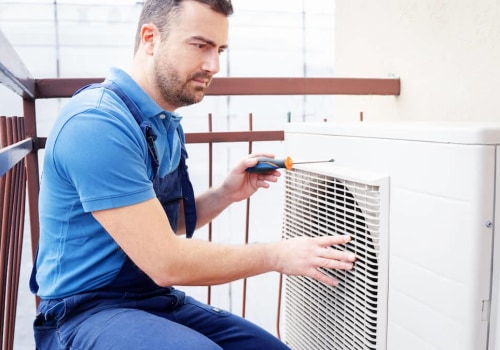
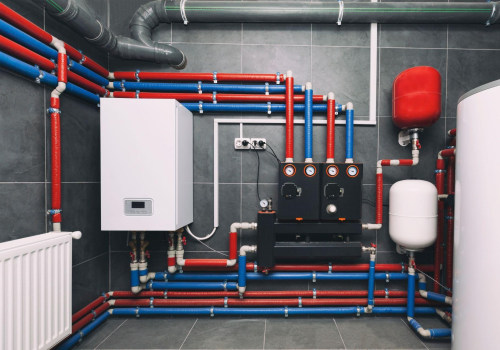
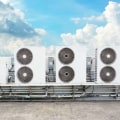
Heat pumps are becoming increasingly recognized as a versatile and efficient solution for both heating and cooling needs in residential and commercial spaces. At their core, heat pumps operate on a simple yet effective principle: they transfer heat from one location to another. This process allows them to provide warmth during colder months and cool air when temperatures rise, making them a year-round climate control option.Understanding how heat pumps work is essential to appreciating their benefits. Unlike traditional heating systems that generate heat by burning fossil fuels or using electric resistance, heat pumps move existing heat.
In winter, they extract heat from the outside air, ground, or water and transfer it indoors. Conversely, in summer, they reverse the process, removing heat from the indoor environment and releasing it outside. This method of operation not only enhances energy efficiency but also significantly reduces greenhouse gas emissions.The advantages of heat pumps extend beyond their operational efficiency. For homeowners considering an air conditioner replacement, heat pumps offer a compelling alternative due to their dual functionality.
They can lead to substantial cost savings on energy bills over time, as they consume less electricity compared to conventional systems. Additionally, many modern heat pumps are designed with eco-friendly refrigerants and advanced technology that minimizes environmental impact while maximizing performance.As we delve deeper into the future of heat pumps in 2023, it is crucial to recognize their growing importance in the context of climate change and energy conservation. With ongoing advancements in technology and increasing regulatory support for sustainable solutions, heat pumps are poised to play a pivotal role in transforming how we approach heating and cooling in our homes.
The Current Landscape of Heat Pumps
The heat pump market is experiencing a significant transformation, driven by a growing awareness of energy efficiency and sustainability. As homeowners and businesses alike seek alternatives to traditional heating and cooling systems, heat pumps have emerged as a leading solution.In this section, we will explore the current landscape of heat pumps, highlighting key statistics and trends that define the market today.According to recent data from the International Energy Agency (IEA) , global heat pump sales have seen a remarkable increase, with an annual growth rate of approximately 10% over the past few years. This surge is largely attributed to rising energy costs and an increasing emphasis on reducing carbon footprints. In the United States alone, the heat pump market is projected to reach over the past few years. This surge is largely attributed to rising energy costs and an increasing emphasis on reducing carbon footprints. In the United States alone, the heat pump market is projected to reach $2.5 billion by 2024, reflecting a compound annual growth rate of 6.8% .One of the most compelling aspects of heat pumps is their energy efficiency. Heat pumps can achieve efficiencies of 300% to 400% , meaning they can produce three to four units of heating or cooling for every unit of electricity consumed.
This efficiency not only translates into lower energy bills for consumers but also contributes to a significant reduction in greenhouse gas emissions compared to conventional systems.In addition to energy efficiency, the current landscape of heat pumps is characterized by technological advancements that enhance their performance and usability. For instance, many modern heat pumps are equipped with variable-speed compressors that allow for more precise temperature control and improved comfort levels in homes. Furthermore, the integration of smart technology enables homeowners to monitor and adjust their systems remotely, optimizing energy use even further.As we look at the broader trends within the industry, it’s clear that government incentives play a crucial role in driving adoption. Many states offer tax credits or rebates for homeowners who install heat pumps, making them a more financially viable option.
Additionally, as building codes evolve to prioritize energy efficiency, new constructions are increasingly being designed with heat pump systems in mind.In summary, the current landscape of heat pumps is marked by robust growth, impressive energy efficiency statistics, and ongoing technological innovations. As consumers become more environmentally conscious and seek cost-effective solutions for heating and cooling, the demand for heat pumps is expected to continue its upward trajectory.
Technological Advancements in Heat Pumps for 2023
As we look ahead to 2023, the landscape of heat pump technology is poised for significant transformation. Innovations in materials and the integration of renewable energy sources are set to redefine how these systems operate, enhancing their efficiency and sustainability.Innovative Materials in Heat Pump Design
One of the most exciting advancements in heat pump technology is the development of new materials that improve performance and durability. Traditional heat pumps often rely on metals like copper and aluminum, which can be heavy and less efficient.However, manufacturers are now exploring lightweight composites and carbon fiber materials that not only reduce the overall weight of the units but also enhance their thermal conductivity.This shift towards advanced materials can lead to several benefits:
- Increased Efficiency: Lighter materials can improve the overall efficiency of heat pumps by allowing for better heat transfer.
- Enhanced Durability: New composites are often more resistant to corrosion and wear, extending the lifespan of heat pump systems.
- Lower Installation Costs: Reduced weight can simplify installation processes, potentially lowering labor costs for homeowners.
Renewable Energy Integration
The integration of renewable energy sources into heat pump systems is another key trend expected to gain momentum in 2023. As the world shifts towards greener energy solutions, heat pumps are increasingly being designed to work in conjunction with solar panels and other renewable technologies.This integration offers several advantages:- Energy Independence: Homeowners can generate their own energy through solar panels, significantly reducing reliance on grid electricity.
- Cost Savings: By utilizing renewable energy, homeowners can lower their utility bills even further, making heat pumps an even more attractive option for air conditioner replacement.
- Environmental Impact: Using renewable energy sources minimizes greenhouse gas emissions, aligning with global efforts to combat climate change.
Regulatory Changes Impacting Heat Pumps in 2023
As we move into 2023, the landscape of heat pump regulations is expected to undergo significant transformations. These changes are primarily driven by a growing recognition of the need for sustainable energy solutions and the urgent call to address climate change. Homeowners contemplating an air conditioner replacement should be aware of these regulatory shifts, as they can greatly influence both the feasibility and affordability of heat pump installations.Government Incentives for Heat Pumps
One of the most impactful regulatory changes anticipated in 2023 is the expansion of government incentives aimed at promoting heat pump adoption.
Federal and state governments are increasingly offering tax credits, rebates, and grants to encourage homeowners to switch from traditional heating and cooling systems to more energy-efficient heat pumps. These incentives not only help offset the initial installation costs but also make heat pumps a more attractive option for those considering an upgrade.For instance, homeowners may find that federal tax credits can cover a significant percentage of the installation costs, making it financially viable to invest in a heat pump system. Additionally, some states are implementing their own programs that provide further financial assistance, particularly in regions where energy efficiency is a priority.
Stricter Environmental Policies
In 2023, we can also expect stricter environmental policies that will favor heat pumps over conventional systems. As part of broader efforts to reduce greenhouse gas emissions, many states are setting ambitious targets for carbon neutrality.
This has led to regulations that may require new buildings to incorporate heat pump technology as a standard feature.Moreover, existing buildings may face new mandates regarding energy efficiency upgrades. Homeowners who are considering an air conditioner replacement should be aware that failing to comply with these regulations could result in penalties or increased energy costs in the future.
The Role of Local Governments
Local governments are also playing a crucial role in shaping the regulatory environment for heat pumps. Many municipalities are adopting building codes that prioritize energy-efficient systems, including heat pumps. These codes often include specific performance standards that heat pumps must meet to qualify for installation permits.As these regulations evolve, homeowners should stay informed about local requirements and incentives.
Engaging with local energy authorities or contractors can provide valuable insights into how these changes may affect their heating and cooling options.In summary, understanding the regulatory landscape surrounding heat pumps in 2023 is essential for homeowners considering an upgrade. With government incentives on the rise and stricter environmental policies being implemented, now may be the ideal time to explore heat pump technology as a sustainable solution for home heating and cooling needs.
Integration with Smart Home Technology
The integration of heat pumps with smart home technology is revolutionizing the way homeowners manage their heating and cooling systems. As the demand for energy efficiency and convenience grows, the synergy between these two technologies is becoming increasingly significant.Smart home technology encompasses a range of devices and systems that allow homeowners to control various aspects of their home environment remotely. This includes everything from lighting and security systems to heating and cooling solutions like heat pumps.By incorporating smart technology into heat pumps, users can enjoy enhanced control, efficiency, and comfort.
Enhanced Control and Monitoring
One of the primary benefits of integrating heat pumps with smart home technology is the ability to monitor and control the system from anywhere. Homeowners can use mobile apps or voice-activated assistants to adjust settings, check energy usage, and receive alerts about system performance. This level of control not only enhances user experience but also allows for proactive maintenance, ensuring that the system operates at peak efficiency.Energy Efficiency and Cost Savings
Smart heat pumps can optimize energy consumption by learning user habits and preferences. For instance, they can automatically adjust heating or cooling based on whether the house is occupied or unoccupied.This feature not only contributes to lower energy bills but also reduces the overall carbon footprint of the household. By utilizing data analytics, smart heat pumps can identify patterns in energy usage, allowing homeowners to make informed decisions about their heating and cooling needs.
Seamless Integration with Other Smart Devices
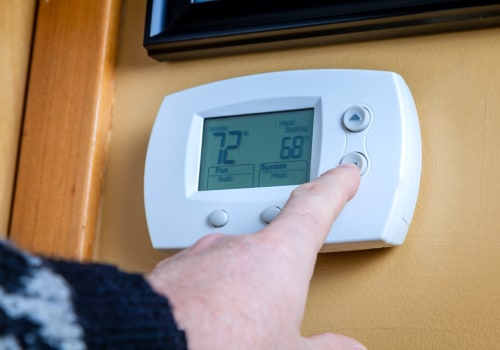
The true power of smart heat pumps lies in their ability to integrate with other smart home devices. For example, they can work in conjunction with smart thermostats, which can further enhance temperature control based on real-time weather data or occupancy sensors. Additionally, integration with solar panels allows homeowners to utilize renewable energy sources more effectively, maximizing savings while minimizing environmental impact.Future-Proofing Your Home
As technology continues to evolve, investing in a smart heat pump system ensures that your home remains adaptable to future advancements.With ongoing updates and improvements in software, these systems can be upgraded without needing a complete overhaul of the hardware. This future-proofing aspect makes smart heat pumps a wise investment for homeowners looking to enhance their living spaces.In conclusion, the integration of heat pumps with smart home technology not only enhances user experience but also promotes energy efficiency and cost savings. As more homeowners embrace this innovative approach, it is clear that smart heat pumps will play a crucial role in shaping the future of home heating and cooling solutions.
The Economic Benefits of Switching to Heat Pumps
When considering an air conditioner replacement, many homeowners are understandably concerned about the financial implications of switching to a new system. However, the economic benefits of installing heat pumps can be significant, making them a compelling choice for those looking to upgrade their heating and cooling solutions.Cost Savings with Heat Pumps
One of the most attractive features of heat pumps is their energy efficiency.
Unlike traditional heating and cooling systems that generate heat through combustion or electric resistance, heat pumps transfer heat from one location to another. This process requires significantly less energy, leading to lower utility bills. Homeowners can expect to see a reduction in their monthly energy costs, often ranging from 30% to 50% compared to conventional systems.
Long-Term Savings on Energy Bills
While the initial investment for a heat pump may be higher than that of a traditional air conditioning unit, the long-term savings can offset this cost. Heat pumps have a longer lifespan—typically around 15 to 20 years—compared to traditional systems that may last only 10 to 15 years.
This longevity means fewer replacements and repairs over time, contributing to overall savings.Additionally, many heat pumps qualify for energy efficiency ratings that can lead to further savings. For instance, systems with high SEER (Seasonal Energy Efficiency Ratio) ratings are designed to use less energy while providing the same level of comfort. Homeowners who invest in these high-efficiency models can enjoy substantial reductions in their energy bills year after year.
Financial Incentives for Heat Pump Installation
In addition to the inherent cost savings associated with heat pumps, various financial incentives are available to encourage homeowners to make the switch. Many states and local governments offer rebates and tax credits for installing energy-efficient systems, including heat pumps.
These incentives can significantly reduce the upfront costs associated with installation.Furthermore, federal programs may also provide tax deductions for homeowners who invest in renewable energy technologies, which often include heat pumps. By taking advantage of these financial incentives, homeowners can make the transition more affordable and economically viable.In conclusion, while the initial cost of switching to a heat pump may raise concerns for homeowners considering an air conditioner replacement, the long-term economic benefits—including substantial energy savings and available financial incentives—make it a wise investment. As energy prices continue to rise and environmental concerns grow, opting for a heat pump not only enhances comfort but also contributes positively to your financial health.
Environmental Impact: Why Heat Pumps Are Eco-Friendly
As the world grapples with the pressing challenges of climate change, the need for sustainable heating solutions has never been more critical. Heat pumps stand out as a leading technology in this arena, offering numerous environmental benefits that contribute to a greener future.One of the most significant advantages of heat pumps is their ability to reduce carbon emissions.Unlike traditional heating systems that rely on fossil fuels, heat pumps operate by transferring heat rather than generating it through combustion. This process not only minimizes greenhouse gas emissions but also enhances energy efficiency. According to the U. S.
Department of Energy, heat pumps can reduce energy consumption by up to 50% compared to conventional heating methods.Moreover, heat pumps utilize renewable energy sources, such as air, water, or ground heat, making them an eco-friendly alternative. By harnessing these natural resources, heat pumps significantly lower the demand for electricity generated from non-renewable sources. This shift not only decreases reliance on fossil fuels but also promotes the use of cleaner energy options.In addition to reducing carbon footprints, heat pumps contribute to improved air quality. Traditional heating systems often release pollutants and particulates into the atmosphere, which can harm both human health and the environment.
In contrast, heat pumps operate with minimal emissions, helping to maintain cleaner air in residential and urban areas.Furthermore, as more homeowners and businesses adopt heat pump technology, there is a potential for widespread impact on energy consumption patterns. The increased use of heat pumps can lead to a significant reduction in overall energy demand during peak seasons, which can alleviate stress on power grids and reduce the need for additional power plants.In summary, the environmental benefits of heat pumps are substantial. By reducing carbon emissions, utilizing renewable energy sources, improving air quality, and promoting sustainable energy consumption patterns, heat pumps represent a vital step towards achieving a more sustainable future. As consumers become increasingly aware of their environmental impact, adopting heat pump technology is not just a choice for comfort but also a commitment to protecting our planet.
Common Misconceptions About Heat Pumps
When considering a heat pump for your home, it's essential to separate fact from fiction.Many potential buyers are influenced by misconceptions that can cloud their judgment. Here, we address some of the most common myths surrounding heat pumps to help you make an informed decision regarding your air conditioner replacement.
- Myth 1: Heat Pumps Are Inefficient in Cold Weather
One prevalent belief is that heat pumps cannot operate effectively in colder climates. While it's true that traditional air-source heat pumps may struggle in extreme cold, modern models are designed to work efficiently even in low temperatures. Many units now come equipped with advanced technology that allows them to extract heat from the air, even when temperatures drop significantly. - Myth 2: Heat Pumps Only Provide Heating
Another misconception is that heat pumps are solely for heating purposes.In reality, heat pumps are versatile systems capable of both heating and cooling your home. During warmer months, they can reverse their operation to provide cooling, making them a year-round solution for climate control.
- Myth 3: Heat Pumps Are Noisy
Some people believe that heat pumps generate excessive noise, making them unsuitable for residential areas. However, advancements in technology have led to the development of quieter models. Many modern heat pumps operate at sound levels comparable to a refrigerator, ensuring minimal disruption to your home environment. - Myth 4: Installation Costs Are Too High
While the initial investment for a heat pump may be higher than traditional systems, it's crucial to consider the long-term savings on energy bills.Heat pumps are known for their energy efficiency, which can lead to significant cost savings over time. Additionally, various government incentives and rebates can help offset installation costs.
- Myth 5: Heat Pumps Require Constant Maintenance
Some homeowners fear that heat pumps demand excessive maintenance. In truth, like any HVAC system, they require regular upkeep to ensure optimal performance. However, the maintenance needs of heat pumps are generally comparable to those of traditional heating and cooling systems.
As you consider your options for an air conditioner replacement, keep these facts in mind to make a more informed choice.
Conclusion: The Bright Future of Heat Pumps in 2023 and Beyond
As we look ahead to 2023 and beyond, it is evident that heat pumps are poised to play a pivotal role in the evolution of heating and cooling solutions. The advancements in technology, coupled with increasing regulatory support and consumer awareness, position heat pumps as a leading choice for homeowners seeking energy-efficient and environmentally friendly options.Throughout this article, we have explored the multifaceted benefits of heat pumps, including their remarkable energy efficiency , potential for cost savings , and reduced environmental impact. These factors are becoming increasingly important as more individuals and families strive to lower their carbon footprints while managing energy costs.Moreover, the integration of heat pumps with smart home technology is set to enhance user experience significantly. Homeowners will benefit from greater control over their heating and cooling systems, allowing for optimized energy use and increased comfort.This trend towards smart integration not only makes heat pumps more appealing but also aligns with the growing demand for connected home solutions.In addition to technological advancements, the anticipated changes in regulations will further bolster the adoption of heat pumps. With governments worldwide pushing for stricter emissions standards and offering incentives for energy-efficient upgrades, homeowners will find it increasingly advantageous to consider heat pumps as a viable alternative to traditional systems.In conclusion, the future of heat pumps looks bright. As we move into 2023, it is crucial for homeowners to stay informed about these developments. Whether you are contemplating an air conditioner replacement or simply exploring options for your heating and cooling needs, heat pumps present a compelling case.
Their combination of efficiency, cost-effectiveness, and eco-friendliness makes them an ideal choice for modern living.Ultimately, embracing heat pump technology not only benefits individual households but also contributes to broader efforts aimed at combating climate change. By making informed decisions today, we can pave the way for a more sustainable future tomorrow.