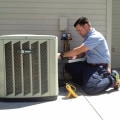
As homeowners increasingly seek energy-efficient solutions, heat pumps have emerged as a compelling alternative to traditional heating and cooling systems. But what exactly is a heat pump? In essence, a heat pump is a versatile system that can both heat and cool your home by transferring heat from one place to another. During the warmer months, it extracts heat from inside your home and releases it outdoors, functioning similarly to an air conditioner. Conversely, in the colder months, it reverses this process, drawing heat from the outside air or ground and transferring it indoors.
This dual functionality makes heat pumps an attractive option for year-round climate control. The benefits of heat pumps extend beyond their ability to provide both heating and cooling. One of the most significant advantages is their energy efficiency. Heat pumps use significantly less electricity compared to conventional heating systems, such as furnaces or electric heaters. This efficiency translates into lower energy bills and a reduced carbon footprint, making them an environmentally friendly choice.
Additionally, many modern heat pumps come equipped with advanced technology that allows for smart home integration, enabling homeowners to monitor and control their systems remotely. When comparing heat pumps to traditional air conditioners, several key differences emerge. While air conditioners are designed solely for cooling, heat pumps offer the added benefit of heating capabilities without requiring separate systems. This not only saves space but also simplifies maintenance and reduces overall costs. Furthermore, advancements in heat pump technology have led to improved performance in colder climates, making them a viable option even in regions with harsh winters. In summary, understanding the functionality and advantages of heat pumps is crucial for homeowners considering an upgrade from traditional air conditioning systems.
With their energy efficiency, dual-purpose capabilities, and modern technological features, investing in a heat pump is not just timely; it’s a smart decision for both comfort and sustainability.
The Impact of the Inflation Reduction Act (IRA)
The Inflation Reduction Act (IRA) represents a significant shift in the landscape of energy efficiency incentives for homeowners. This legislation is designed to encourage the adoption of renewable energy technologies and improve energy efficiency across the nation. For those considering an air conditioner replacement, particularly with heat pumps, understanding the IRA's provisions is crucial.One of the most compelling aspects of the IRA is the array of incentives available for heat pump installations. Homeowners can benefit from substantial tax credits that can offset a significant portion of the initial investment.These credits are not just a one-time benefit; they can be claimed for multiple years, making it easier for families to budget for energy-efficient upgrades.Specifically, the IRA offers:
- Tax Credits: Homeowners can receive tax credits up to 30% of the cost of purchasing and installing a heat pump. This means that if you invest $10,000 in a new system, you could potentially reduce your tax liability by $3,000.
- Grants and Rebates: In addition to tax credits, some states may offer additional grants or rebates for energy-efficient home improvements. These can further reduce the overall cost of installation.
- Financing Options: The IRA encourages financial institutions to provide favorable financing options for homeowners looking to invest in energy-efficient systems. This can make it easier to manage upfront costs.
The incentives provided by the IRA are subject to change and may not be available indefinitely. As more homeowners become aware of these benefits, demand for heat pumps is likely to increase, which could lead to higher prices and reduced availability. By investing now, you not only secure these incentives but also position yourself ahead of potential market shifts.Moreover, as technology continues to advance, newer models of heat pumps are being developed that offer even greater efficiency and performance. By taking advantage of the IRA incentives today, you can ensure that you are equipped with one of the latest systems on the market, maximizing your energy savings and comfort in your home.In conclusion, the Inflation Reduction Act provides a unique opportunity for homeowners looking to enhance their energy efficiency through heat pumps.
With generous tax credits and other financial incentives available, there has never been a better time to invest in an air conditioner replacement. Don’t miss out on these benefits—act now to secure your savings and contribute to a more sustainable future.
Cost-Effectiveness of Investing in a Heat Pump Now
When considering the cost-effectiveness of investing in a heat pump, it’s essential to evaluate both the initial expenses and the long-term financial benefits. While the upfront cost of purchasing a heat pump can be significant, the potential savings on energy bills and maintenance can make it a wise investment.Typically, the price of a heat pump can range from $3,000 to $8,000, depending on the model and installation requirements. This initial investment may seem daunting; however, it’s crucial to look beyond the sticker price.Heat pumps are known for their energy efficiency, often using significantly less electricity than traditional heating and cooling systems. This efficiency translates into lower monthly utility bills.For instance, homeowners can expect to save anywhere from 30% to 50% on their heating and cooling costs after installing a heat pump. Over time, these savings can add up substantially. In fact, many homeowners find that their heat pump pays for itself within five to ten years through reduced energy expenses alone.In addition to energy savings, there are also financial incentives available that can help offset the initial costs.
The Inflation Reduction Act (IRA) provides tax credits and rebates for homeowners who invest in energy-efficient appliances, including heat pumps. These incentives can significantly reduce the overall cost of installation, making it even more appealing to purchase rather than lease.Leasing options may seem attractive due to lower monthly payments; however, they often come with hidden costs and limitations. For example, leased equipment may not qualify for tax credits or rebates, meaning you miss out on potential savings. Furthermore, leasing agreements typically include maintenance fees that can accumulate over time.Ultimately, while leasing might offer short-term relief in terms of cash flow, purchasing a heat pump outright is likely to yield greater long-term financial benefits.
Homeowners who invest in a heat pump now not only secure ownership of an efficient system but also position themselves to take advantage of future energy savings and available incentives.In conclusion, when weighing the costs associated with heat pumps against their long-term savings potential and financing options, it becomes clear that investing in a heat pump now is a financially sound decision. By making this investment today, homeowners can enjoy immediate benefits while also contributing to a more sustainable future.
Technological Advancements in Heat Pumps for 2023
As we move into 2023, the landscape of heat pump technology is evolving rapidly, bringing forth innovations that promise to enhance both performance and energy efficiency. Homeowners looking to replace their air conditioning systems should be particularly excited about these advancements, as they not only improve comfort but also contribute to significant cost savings over time.Latest Heat Pump Technology
- Variable Speed Compressors: One of the most notable advancements in heat pump technology is the introduction of variable speed compressors. Unlike traditional systems that operate at a single speed, these compressors can adjust their output based on the heating or cooling demand.
This means they can run at lower speeds for longer periods, leading to improved energy efficiency and more consistent indoor temperatures.
- Enhanced Refrigerants: The shift towards environmentally friendly refrigerants is another key development. Newer heat pumps are utilizing refrigerants with lower global warming potential (GWP), which not only comply with regulatory standards but also enhance the overall efficiency of the system.
- Improved Heat Exchangers: Advances in heat exchanger design have led to better heat transfer capabilities. This means that heat pumps can extract more energy from the outside air, even in colder temperatures, making them more effective in a wider range of climates.
Energy Efficiency Improvements
The focus on energy efficiency is paramount in 2023. Many new models are expected to achieve higher Seasonal Energy Efficiency Ratios (SEER) and Heating Seasonal Performance Factors (HSPF). These ratings indicate how effectively a heat pump uses energy to provide heating and cooling.
Higher ratings translate to lower utility bills and a reduced carbon footprint.
Smart Heat Pumps
The integration of smart technology into heat pumps is revolutionizing how homeowners interact with their heating and cooling systems. Smart heat pumps can be controlled remotely via smartphone apps, allowing users to adjust settings from anywhere. Additionally, many models come equipped with learning algorithms that adapt to user preferences and optimize performance based on real-time data.This level of control not only enhances comfort but also maximizes energy savings by ensuring that the system operates only when necessary. Furthermore, some smart heat pumps can integrate with home automation systems, providing seamless operation alongside other smart devices.In conclusion, investing in a heat pump in 2023 means taking advantage of cutting-edge technology that enhances efficiency and performance.
With advancements like variable speed compressors, eco-friendly refrigerants, and smart technology integration, homeowners can expect a significant upgrade in their heating and cooling experience while contributing positively to the environment.
Environmental Benefits of Heat Pumps
Heat pumps are increasingly recognized for their significant environmental benefits , particularly in the context of reducing greenhouse gas emissions and promoting sustainable energy use. As the world grapples with the effects of climate change, transitioning to more efficient heating and cooling systems has never been more critical.One of the primary advantages of heat pumps is their ability to operate using renewable energy sources. Unlike traditional heating systems that rely on fossil fuels, heat pumps can harness energy from the air, ground, or water. This process not only reduces reliance on non-renewable resources but also minimizes the carbon footprint associated with heating and cooling a home.By utilizing electricity to transfer heat rather than generating it through combustion, heat pumps can achieve efficiencies of up to 300% or more. , particularly in the context of reducing greenhouse gas emissions and promoting sustainable energy use. As the world grapples with the effects of climate change, transitioning to more efficient heating and cooling systems has never been more critical.One of the primary advantages of heat pumps is their ability to operate using renewable energy sources. Unlike traditional heating systems that rely on fossil fuels, heat pumps can harness energy from the air, ground, or water. This process not only reduces reliance on non-renewable resources but also minimizes the carbon footprint associated with heating and cooling a home.By utilizing electricity to transfer heat rather than generating it through combustion, heat pumps can achieve efficiencies of up to 300% or more.This means that for every unit of electricity consumed, three or more units of heating or cooling are produced. As the grid becomes greener with an increasing share of renewable energy sources like wind and solar, the overall environmental impact of using heat pumps continues to diminish.Moreover, heat pumps contribute to a significant reduction in greenhouse gas emissions. According to various studies, switching from conventional heating systems to heat pumps can lead to a reduction of up to 50% in carbon emissions. This is particularly important as many regions aim to meet stringent climate goals and reduce their overall carbon output.In addition to lowering emissions, heat pumps also promote energy efficiency at a broader scale.
By decreasing the demand for fossil fuels, they help stabilize energy prices and reduce the environmental degradation associated with extraction and transportation. Furthermore, as more homeowners adopt heat pump technology, there is a collective shift towards a more sustainable energy future.In conclusion, investing in a heat pump not only benefits individual homeowners through lower energy bills and increased comfort but also plays a crucial role in fostering a healthier planet. By reducing our reliance on fossil fuels and minimizing greenhouse gas emissions, heat pumps represent a vital step towards achieving a sustainable future.
Common Misconceptions About Heat Pumps
When considering a heat pump for your home, it's essential to separate fact from fiction. Many homeowners harbor misconceptions about heat pumps that can cloud their judgment and lead to missed opportunities for energy savings and comfort.Here, we address some of the most common myths surrounding heat pumps.
Myth 1: Heat Pumps Are Ineffective in Cold Weather
One prevalent myth is that heat pumps cannot operate efficiently in colder climates. While it's true that traditional air-source heat pumps may struggle in extreme cold, modern heat pump technology has evolved significantly. Cold climate heat pumps are designed to function effectively even when temperatures drop below freezing. They utilize advanced refrigerants and enhanced compressor technology to extract heat from the outside air, ensuring your home remains warm and comfortable.Myth 2: Heat Pumps Are Only for Heating
Another misconception is that heat pumps are solely heating devices.In reality, heat pumps are versatile systems capable of both heating and cooling your home. During the summer months, they can reverse their operation to provide cooling , making them an excellent year-round solution for climate control.
Myth 3: Heat Pumps Are Noisy
Some potential buyers worry that heat pumps will be noisy and disruptive. However, advancements in technology have led to the development of quieter models. Many modern heat pumps operate at sound levels comparable to a refrigerator, ensuring that your home remains peaceful while enjoying the benefits of efficient heating and cooling.Myth 4: Installation Is Complicated and Expensive
Many homeowners believe that installing a heat pump is a complicated process that requires extensive modifications to their home.While installation does require professional expertise, it is often less invasive than traditional HVAC systems. Additionally, with the incentives available through programs like the Inflation Reduction Act, the initial investment can be significantly reduced.
Myth 5: Heat Pumps Are Not Energy Efficient
Finally, some people think that heat pumps are not energy-efficient compared to other heating systems. In fact, heat pumps can be among the most energy-efficient options available. They transfer heat rather than generate it by burning fuel, which can lead to lower energy bills and a reduced carbon footprint.By debunking these common myths about heat pumps, potential buyers can make informed decisions about their heating and cooling options.Understanding the true capabilities of heat pumps can lead to significant savings and improved comfort in your home.
Installation Considerations for Heat Pumps
When considering the installation of a heat pump, homeowners should be well-informed about the entire process, from selecting a qualified installer to understanding the associated costs. This knowledge can help ensure a smooth transition to an energy-efficient heating and cooling system.Understanding the Heat Pump Installation Process
The installation of a heat pump typically involves several key steps:- Assessment: A professional installer will first assess your home’s heating and cooling needs. This includes evaluating the size of your home, insulation levels, and existing ductwork (if applicable).
- Choosing the Right System: Based on the assessment, the installer will recommend a suitable heat pump model that meets your requirements. Factors such as efficiency ratings and capacity will be considered.
- Preparation: Before installation, any necessary modifications to your home may need to be made.
This could involve upgrading electrical systems or enhancing insulation.
- Installation: The actual installation process can take anywhere from a few hours to a couple of days, depending on the complexity of the system and any additional work required.
- Testing and Commissioning: Once installed, the system will be tested to ensure it operates correctly and efficiently. The installer will also provide guidance on how to use the system effectively.
Hiring a Professional Installer
While some homeowners may consider a DIY approach to installing a heat pump, it is generally advisable to hire a professional. Here are some reasons why:- Expertise: Professional installers have the training and experience necessary to handle complex installations safely and efficiently.
- Warranty Protection: Many manufacturers require professional installation for warranty coverage. A certified installer can ensure that your system is installed according to manufacturer specifications.
- Time-Saving: Professionals can complete the installation more quickly than most homeowners could manage on their own, minimizing disruption to your daily life.
Installation Costs for Heat Pumps
The cost of installing a heat pump can vary widely based on several factors, including:- Type of Heat Pump: Air-source heat pumps are generally less expensive than ground-source (geothermal) systems.
- Installation Complexity: If significant modifications are needed for your home’s infrastructure, costs may increase.
- Location: Installation costs can also vary by region due to differences in labor rates and local regulations.
It’s essential to obtain multiple quotes from reputable installers to ensure you receive a fair price for quality work.In conclusion, understanding the installation process, hiring qualified professionals, and being aware of potential costs are crucial steps in successfully transitioning to a heat pump system. By taking these considerations into account, homeowners can make informed decisions that lead to long-term energy savings and comfort in their homes.
Maintenance Tips for Optimal Performance
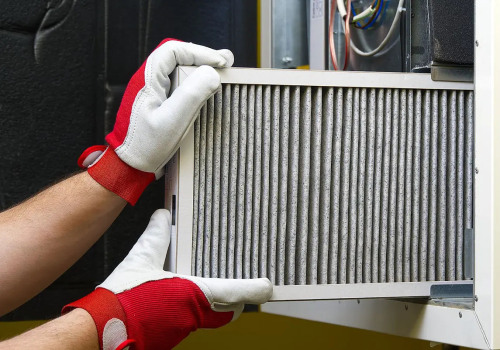
To ensure that your heat pump operates at peak efficiency and enjoys a long lifespan, regular maintenance is essential. Here are some practical tips to help you maintain your heat pump effectively:- Regular Filter Changes: One of the simplest yet most effective maintenance tasks is to check and replace the air filters regularly. Clogged filters can restrict airflow, causing the system to work harder and reducing its efficiency.
Aim to change or clean the filters every 1-3 months, especially during peak usage seasons.
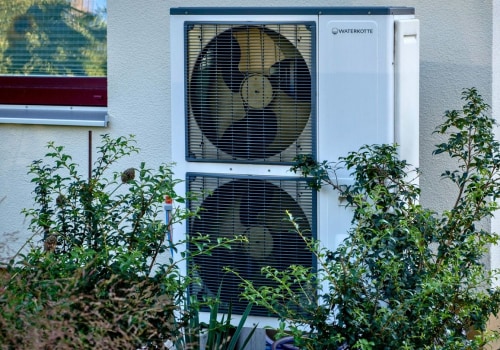
- Keep the Outdoor Unit Clear: Ensure that the outdoor unit of your heat pump is free from debris such as leaves, dirt, and snow. A clear space around the unit allows for proper airflow and prevents overheating. Trim any nearby shrubs or plants to maintain at least two feet of clearance around the unit.
- Inspect Ductwork: Leaky ducts can significantly impact the efficiency of your heat pump. Regularly inspect your ductwork for any signs of wear or damage.
Sealing leaks can improve airflow and reduce energy costs.
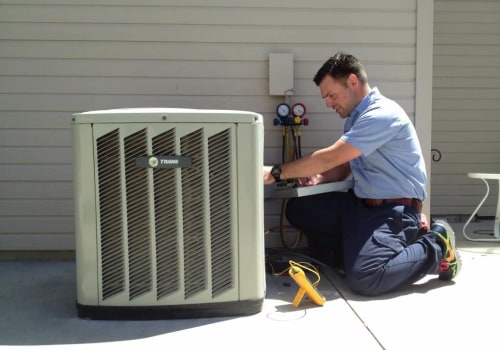
- Schedule Professional Maintenance: While homeowners can perform many maintenance tasks, it’s wise to schedule a professional inspection at least once a year. A qualified technician can identify potential issues before they become major problems, ensuring that your system runs smoothly.
- Check Thermostat Settings: Ensure that your thermostat is functioning correctly and set to appropriate temperatures. Consider upgrading to a programmable thermostat for better energy management and convenience.
- Monitor System Performance: Pay attention to how your heat pump operates. If you notice unusual noises, reduced airflow, or inconsistent temperatures, it may be time to call a professional for a thorough inspection.
Regular upkeep not only ensures comfort in your home but also contributes to energy savings over time. Investing a little time in maintenance now can lead to significant benefits in the future.
<strong>Conclusion</strong>
In summary, the decision to invest in a heat pump in 2023 is not just a financial choice; it is a strategic move towards enhancing your home’s energy efficiency and comfort. The benefits of making this investment are multifaceted and compelling.- Financial Incentives: The Inflation Reduction Act (IRA) provides significant tax credits and rebates that can substantially lower the initial cost of purchasing a heat pump. These incentives are time-sensitive, making it crucial to act now rather than later.
- Long-Term Savings: By switching to a heat pump, homeowners can expect reduced energy bills due to the system's efficiency.
This translates into long-term savings that can offset the initial investment over time.
- Environmental Impact: Investing in a heat pump contributes to reducing your carbon footprint. As society increasingly prioritizes sustainability, making eco-friendly choices today can lead to a healthier planet for future generations.
- Technological Advancements: The heat pump technology is continually evolving, with newer models offering enhanced efficiency and features. By investing now, you can take advantage of the latest innovations rather than waiting for potentially outdated options.
Delaying your investment could mean missing out on substantial savings and the opportunity to improve your home’s energy performance.The importance of timely investment cannot be overstated. With rising energy costs and increasing environmental concerns, now is the moment to take action. By choosing to invest in a heat pump in 2023, you position yourself not only for immediate benefits but also for long-term gains that enhance your home’s value and sustainability.In conclusion, 2023 presents an unparalleled opportunity for homeowners considering an air conditioner replacement. The combination of financial incentives, long-term savings, environmental responsibility, and technological advancements makes this year the ideal time to invest in a heat pump.
Don’t wait—take advantage of these benefits today and secure a more efficient and comfortable future for your home.